Fundació KREAS Advances in the European Project CERAS to Promote the Circular Economy in the Rural Agro-Food Sector
Fundació KREAS actively participates in the European project CERAS (Advancing Circular Economy and Sustainability in Rural Business Activities. Skills for the Future), funded by the European Union’s Erasmus+ program (ref. 2025-1-RO01-KA220-HED-000361049). The initiative, with an overall budget of €400,000 and a duration of three years (2025–2028), aims to train rural small and medium-sized enterprises (SMEs) and educational institutions in the transition toward sustainable and circular business models.
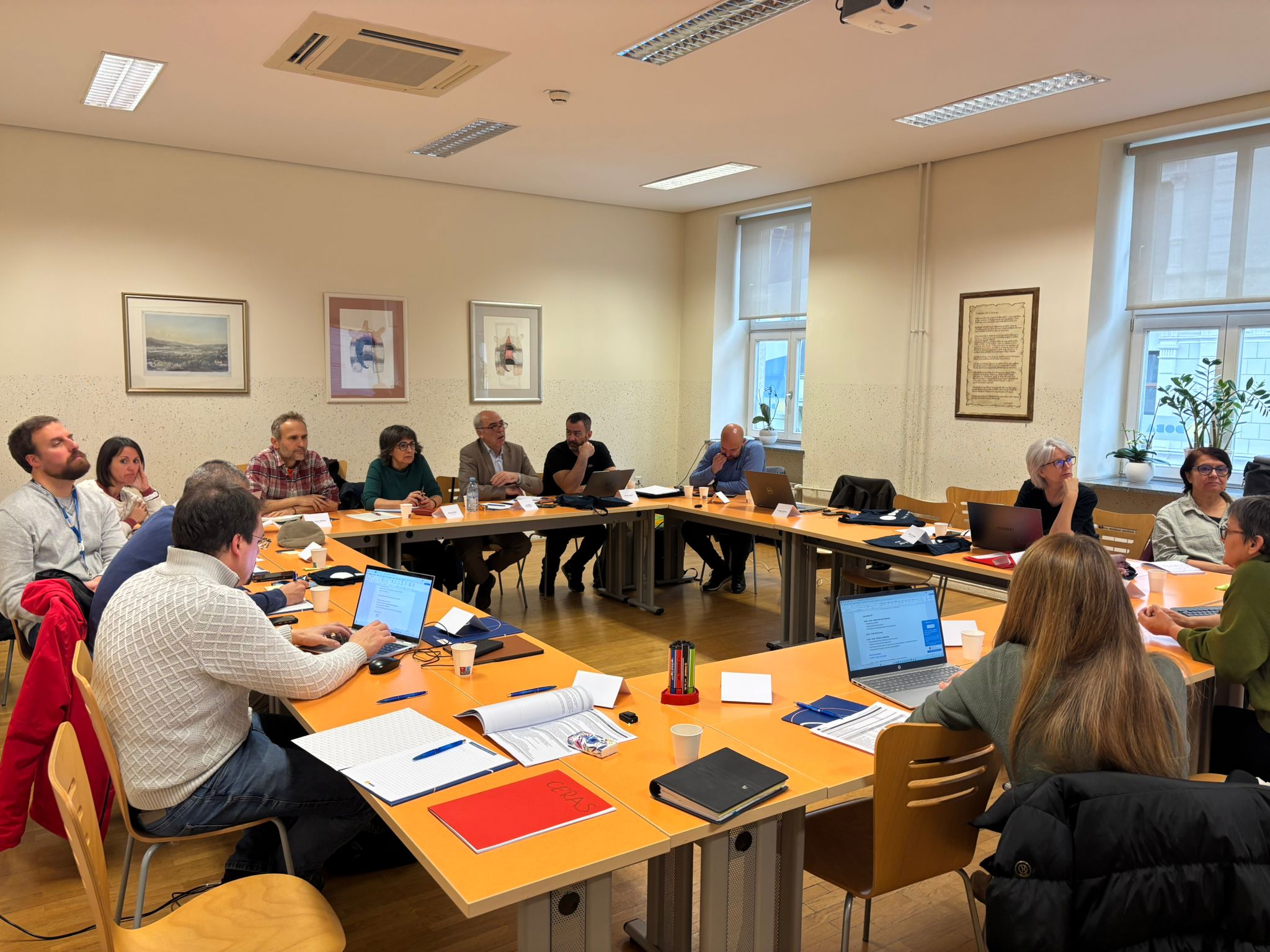
As a first major milestone, a representation of Fundació KREAS took part in the 1st international project meeting on December 14, 15, and 16 in Maribor (Slovenia), organized by DOBA Faculty. Academic partners from Catalonia (the Chair in Rural World and the Chair in Agroecology and Food Systems at UVic-UCC) as well as the remaining members of the international consortium from Romania, Greece, Albania, and Slovenia also attended the meeting.
The Role of KREAS: A Real Connection with the Agro-Food Industry
Within the structure of the consortium, led by the “Vasile Alecsandri” University of Bacău (Romania), Fundació KREAS acts as a benchmark applied partner in the agro-food sector. KREAS’s role is key to ensuring that the scientific knowledge and digital tools developed are adapted to the practical reality, needs, and challenges of rural SMEs and industries in La Garrotxa and across Catalonia.
Main Actions and Key Outputs of the CERAS Project
Over the three-year execution period, the project will develop a set of innovative and open-access resources:
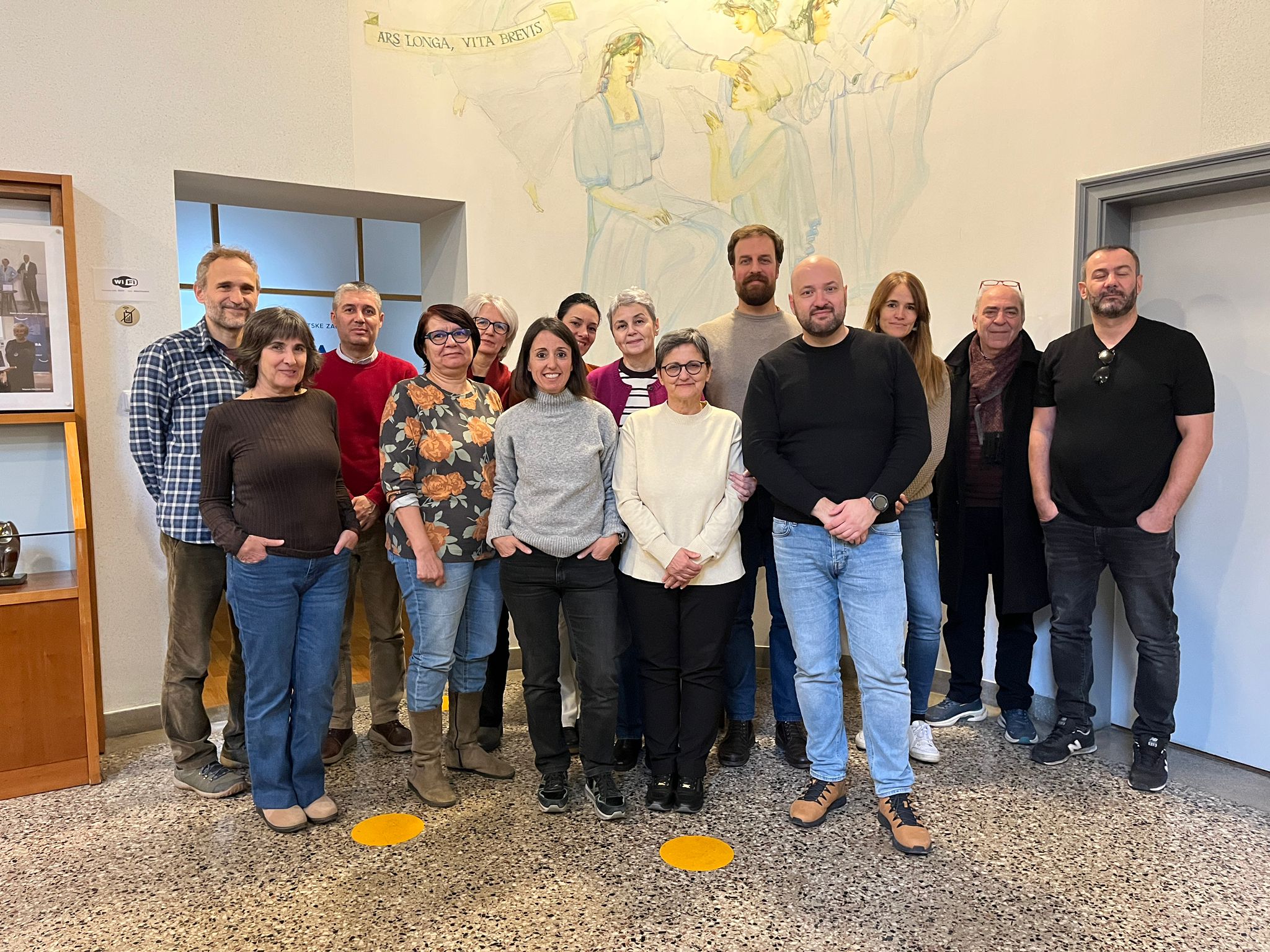
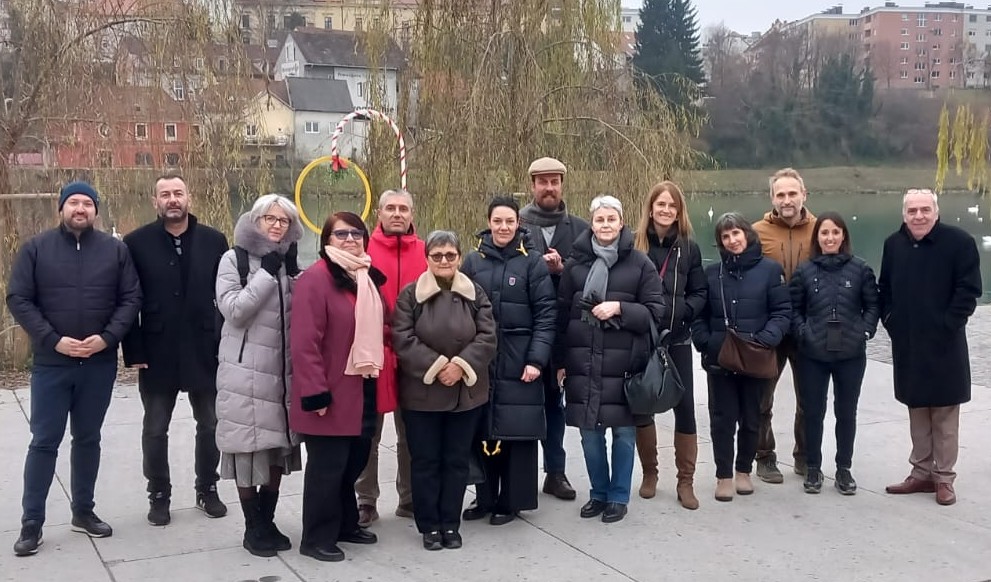
Participants in the 1st meeting in Maribor
Participants in the 1st meeting in Maribor
Through this international alliance, Fundació KREAS reinforces its commitment to high-quality training, environmental sustainability, and the competitiveness of the Catalan agro-food sector.
Funded by the European Union. Views and opinions expressed are however those of the author(s) only and do not necessarily reflect those of the European Union or the European Education and Culture Executive Agency (EACEA). Neither the European Union nor the granting authority can be held responsible for them.